
HVAC

Boiler problems are less than ideal and present many issues for homeowners. In addition, exposure to extreme cold is dangerous, especially for children and the elderly. Knowing what to look for helps you act quickly and avoid system failures. This article discusses some of the most common boiler issues that most homeowners face.

After serving your home well for many years, you will eventually feel a significant decline in the boiler’s efficiency, performance, and reliability. It may require frequent repairs that aren’t practical. Eventually, you will have to get an oil boiler replacement. This article discusses what to look for in a new boiler.

During winter, you will spend more time indoors, avoiding the cold outdoors. Stay warm by installing a suitable heating system. If you are undecided, get to know both fireplaces and furnaces. They have their compelling features, as well as notable drawbacks. In this article, we will compare fireplace vs. furnace efficiency from a practical standpoint.
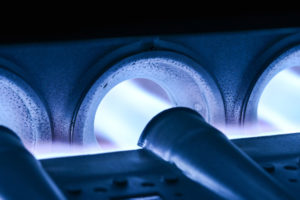
Do not ignore the signs when you notice a furnace issue. What seems like trivial oddities might be symptoms of a dangerous problem. For example, your might have an overheating furnace on your hands. Act fast before it’s too late.

When your old home heating system is no longer effective, you will need to find a suitable HVAC replacement among current options. If you are overwhelmed by this task, get help from an experienced HVAC contractor. In this article, we discuss the difference between an air handler and a furnace.
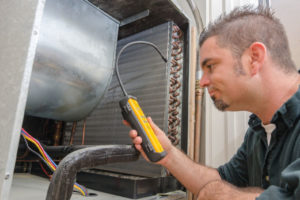
Too much of anything is just as bad as too little, as in the case of overcharged cooling systems. The need to process excessive refrigerant can damage air conditioning units over time. Ideal parameters are necessary to avoid problems and prolong equipment lifespan. This article explores overcharged AC symptoms and its associated dangers.

When it comes to working on an important home appliance like the AC unit, don’t take wild guesses. You don’t want to do the wrong thing, impacting your family’s safety and wellbeing. If you want steady efficiency and comfort, there are a few important things you should keep on your “do” and “do not” list.
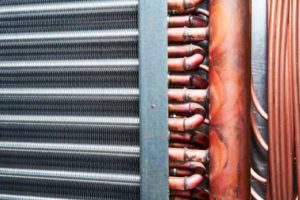
Air conditioners absorb indoor heat and expel it outdoors. After several cycles of heat transfer, homes gradually cool down and feel comfortable. Two components, the condenser coils and evaporator coils, do much of the work behind the scenes. Although similar in appearance, they function in opposite ways. This article discusses these differences.

Air conditioners make spaces feel more comfortable by lowering the temperature of the home and reducing indoor humidity levels. If the cooling system is not removing humidity, then something is wrong. In this article, we discuss some of the reasons an air conditioner may not be properly removing humidity from your home.

With central heating and air conditioning systems, warm or cold air is produced in one location and distributed throughout the house via ductwork. Ducts are often made of metal, making them susceptible to noise at the slightest disturbance. This article discusses common ductwork noises and what you can do to reduce them.